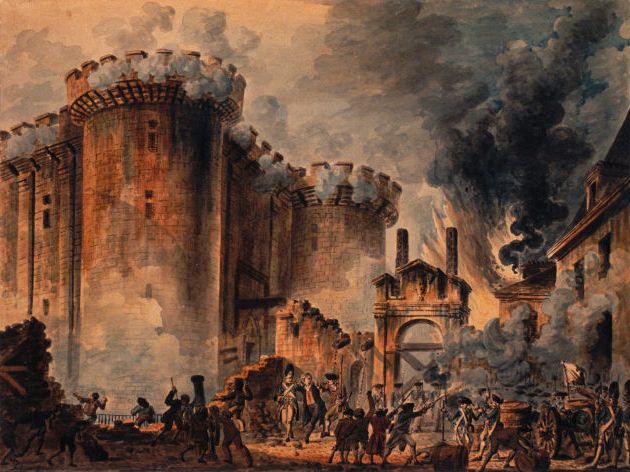
Romance fills the air. Young couples looking for a renewal of traditions and most of all making sure love is never again lost highlights the spirit and poetic tone of the historic revolutionary feel of the Bastille section of Paris, France's nightlife. The area is the seat of both the French Revolution and the French national cause to gain individual liberty; this process is also on-going as well.
In their hearts, and a most remarkable their deep well of artistic and cabaret spirits along with considerable literary affection attracts many visitors to this Parisian historic section of the very center of France herself. This is especially true for all of France whose desires are encased in the expectation the French reemerging avant garde cultures. The residence of the Bastile section are most willing to give you its historic knowledge and where to go to see where it happened. For those who romanticises and flock to the Parisian hot summers the very aspect of needed great foods, wines, cafe, and human drive for excelence in taste, where a Parisian menue is worth a fortune, is at the center of The Bastille Residences expectations and aspirations.